The Role of Vegetables in European Cuisine: Tradition, Identity, and Reinvention
European cuisine is often associated with cheeses, cured meats, pastries, and wines. Yet beneath these iconic elements lies a quieter but more foundational presence: vegetables. Across centuries and regions, vegetables have shaped culinary identity, guided seasonal eating patterns, and sustained populations through both abundance and hardship.
As contemporary gastronomy increasingly embraces sustainability and plant-forward cooking, vegetables are no longer peripheral—they are central to how European cuisine is understood, practiced, and reimagined.
A Continent Defined by Geography and Seasonality
Europe’s culinary identity is deeply tied to its geography. Despite its relatively compact size, the continent encompasses a wide range of climates—from Mediterranean heat to Nordic cold—each shaping agricultural possibilities.
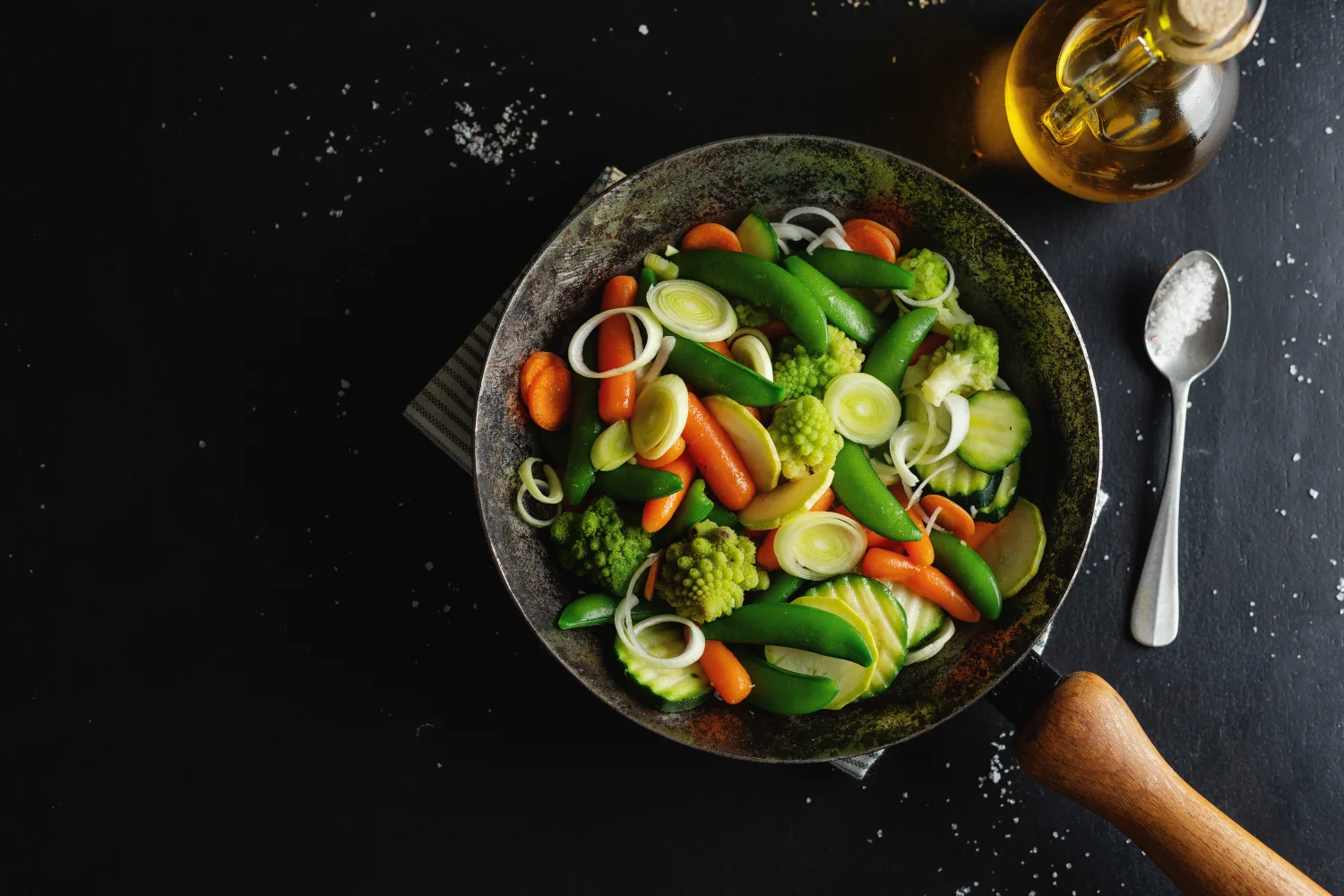
In southern regions, long growing seasons support tomatoes, eggplants, peppers, and zucchini. Central Europe relies on robust crops such as potatoes, cabbages, beets, and carrots. In the north, shorter seasons and colder climates favor hardy greens, preserved vegetables, and foraged ingredients.
These environmental conditions have not only determined what is grown but also how it is cooked. European vegetable traditions are, above all, traditions of adaptation.
Mediterranean Cuisine: Vegetables at the Core
The Mediterranean basin offers one of the most influential vegetable-based culinary traditions in the world. Countries such as Italy, Spain, Greece, and southern France have long centered their cuisines around vegetables prepared with simplicity and respect for ingredients.
Dishes such as ratatouille, caponata, and briam demonstrate a core principle: when vegetables are in season and properly prepared, they require little embellishment. Olive oil, garlic, and herbs such as oregano and thyme enhance natural flavors rather than mask them.
In these traditions, vegetables often function as the primary component of a meal rather than a side dish. This structure reflects centuries of agricultural living where food was defined by availability and seasonality.
Central and Eastern Europe: Preservation as Culinary Foundation
In contrast to the Mediterranean abundance, Central and Eastern European cuisines developed around preservation and resourcefulness. In countries such as Poland, Germany, and Austria, vegetables such as cabbage, beetroot, and root crops became dietary essentials.
Fermentation techniques—most famously sauerkraut—allowed vegetables to sustain populations through long winters. Beet soups, braised cabbages, and root vegetable stews became defining comfort foods.
The introduction of the potato fundamentally reshaped European diets. Its versatility, affordability, and nutritional density made it indispensable across the continent, particularly in rural and working-class communities.
French Cuisine: Technique and Elevation
In French culinary tradition, vegetables are treated with precision and technique. The concept of the potager, or kitchen garden, reflects a long-standing integration of cultivation and cuisine.
Classical cuisine refined vegetable preparation through controlled cooking methods such as glazing, blanching, and careful seasoning. Vegetables were not merely accompaniment but structured elements within composed dishes.
The influence of chefs such as Auguste Escoffier helped formalize vegetable cookery within professional kitchens, elevating ingredients like leeks, carrots, and turnips into refined culinary components.
Today, French gastronomy continues to emphasize seasonal produce and farm-to-table sourcing, maintaining vegetables as an essential part of culinary identity.
Italy: Regional Diversity and Ingredient Integrity
Italian cuisine demonstrates one of Europe’s most diverse vegetable traditions, shaped by strong regional identities. Northern Italy favors pumpkins, mushrooms, and leafy greens, while southern regions emphasize tomatoes, eggplant, and peppers.
The guiding principle is simplicity. Italian cooking often relies on a small number of high-quality ingredients prepared with restraint. Vegetables appear across all courses—from antipasti to contorni—reflecting their integral role in daily meals.
This structure is deeply connected to Italy’s agricultural history, where local markets and seasonal availability dictate culinary practice.
The Nordic Region: Innovation Through Constraint
In countries such as Denmark, Sweden, and Norway, limited growing seasons have shaped a cuisine centered on preservation, foraging, and root vegetables.
Traditional ingredients include parsnips, turnips, cabbage, and potatoes, often preserved through pickling or fermentation to extend usability.
Modern Nordic cuisine, influenced by restaurants such as Noma, has redefined vegetable cookery on a global scale. It emphasizes hyper-seasonality, locality, and minimal intervention, treating vegetables as the primary expression of culinary creativity.
Eastern Europe and the Balkans: Bold and Rustic Traditions
Across Eastern Europe and the Balkans, vegetable dishes are characterized by robust flavors and rustic preparation methods. Roasted peppers, stuffed cabbages, and tomato-based stews are common across the region.
Vegetables serve both practical and cultural roles—bridging summer abundance with winter preservation. Herbs such as dill, parsley, and paprika add depth and aromatic complexity.
These cuisines reflect a balance between agricultural necessity and culinary identity, where vegetables are central to both everyday meals and festive occasions.
The Potato: Europe’s Culinary Transformer
Few ingredients have had as profound an impact on Europe as the potato. Once introduced from the Americas, it rapidly became a dietary cornerstone across the continent.
In Ireland, it became essential to survival for much of the rural population. In Belgium, it contributed to the development of globally recognized fry traditions. Across Central and Northern Europe, it appears in countless preparations—from dumplings to purées.
The potato’s adaptability and nutritional value helped stabilize diets and reshape agricultural systems across Europe.
Religious and Cultural Influences on Vegetable Traditions
Religious observance has significantly influenced European vegetable cuisine. Periods such as Lent in Catholic traditions encouraged abstinence from meat, leading to an expansion of vegetable-based dishes.
Orthodox Christian fasting traditions similarly promoted plant-based meals, while Jewish culinary practices across Europe developed rich vegetable-based dishes aligned with dietary laws.
Seasonal festivals also celebrate vegetables, from asparagus festivals in Germany to tomato harvest celebrations in Spain. These traditions reinforce vegetables as cultural symbols, not just agricultural products.
Markets: The Cultural Heart of Vegetable Cuisine
European markets remain essential spaces for vegetable culture. From local village stalls to major urban markets, vegetables are displayed with pride and seasonal awareness.
These markets reinforce the rhythm of European eating. Asparagus signals spring, tomatoes define summer, mushrooms mark autumn, and root vegetables dominate winter.
Unlike industrial supply chains, markets maintain a direct connection between growers, chefs, and consumers, preserving culinary authenticity.
Sustainability and the Modern Vegetable Revival
In recent decades, vegetables have taken on renewed importance in response to environmental and health concerns. Across Europe, chefs and consumers are increasingly prioritizing local sourcing, seasonal eating, and reduced meat consumption.
Urban agriculture projects and renewed interest in heirloom varieties reflect a broader cultural shift toward sustainability. Vegetables are no longer seen as substitutes but as central creative ingredients in their own right.
This evolution represents continuity rather than rupture, building on centuries of vegetable-focused traditions.
Techniques That Define European Vegetable Cooking
European cuisines employ a wide range of techniques to prepare vegetables:
- Fermentation for preservation and flavor development
- Roasting and grilling for caramelization and depth
- Braising for tenderness and richness
- Blanching and glazing for precision and texture
- Puréeing for soups and sauces
These methods highlight a fundamental principle: respect for the ingredient through controlled transformation.
Vegetables as Cultural Identity
Vegetables are deeply embedded in Europe’s cultural and historical identity. Tomatoes from the Americas became Italian staples. Potatoes reshaped entire economies. Cabbage sustained populations through winter hardship. Olive oil defined Mediterranean cuisine.
Each vegetable carries a narrative of migration, adaptation, and survival. Together, they form a culinary language that transcends borders.
Conclusion: A Future Rooted in Tradition
European cuisine’s vegetable traditions reveal a culinary system grounded in seasonality, geography, and cultural memory. Far from being secondary elements, vegetables have shaped the continent’s food identity for centuries.
Today, as culinary trends shift toward sustainability and plant-forward eating, Europe’s long-standing vegetable traditions offer not a new direction, but a return to an enduring foundation.
From rustic stews to refined tasting menus, vegetables remain at the heart of European cuisine—quietly essential, endlessly adaptable, and deeply rooted in the land.